

Watching your little one grow is one of the most rewarding parts of parenting. From that first heartwarming smile to the day they share a favorite toy with a new friend, every step forward is a cause for celebration. As parents, we often focus heavily on physical and cognitive milestones—like taking those first wobbly steps or learning the alphabet. However, a child’s social milestones are equally vital to their overall development and future success. Understanding how your child learns to interact with the world around them can help you provide the right support at every stage of their early years.
The Journey of Social Development: What to Expect
Social development is a gradual, beautiful process that begins the moment your baby is born. While every child blooms at their own unique pace, there is a general progression of social skills from infancy through the preschool years.
Infants (6 Weeks to 12 Months): The Foundation of Connection
In the first year of life, socialization is all about building trust and forming secure attachments. Around two months of age, you might notice your baby’s first genuine social smile. By six months, they are likely responding to their own name, making eye contact, and engaging in back-and-forth babbling. As they approach their first birthday, infants begin to use gestures, like waving goodbye or pointing, to communicate their needs and connect with caregivers. These early interactions lay the critical groundwork for healthy relationships later in life.
Toddlers (1 to 3 Years): Navigating Independence and Parallel Play
The toddler years are famous for big emotions and a fierce desire for independence. During this stage, you will notice your child engaging in “parallel play.” This means they will happily play alongside other children, perhaps mimicking their actions, but they may not directly interact or share toys just yet. This is completely normal! Toddlers are learning to observe and understand the concept of self versus others. By age two or three, they begin to show early signs of empathy, perhaps offering a hug to a crying peer, and start to experiment with brief moments of cooperative play.
Preschoolers (3 to 5 Years): Building Friendships and Empathy
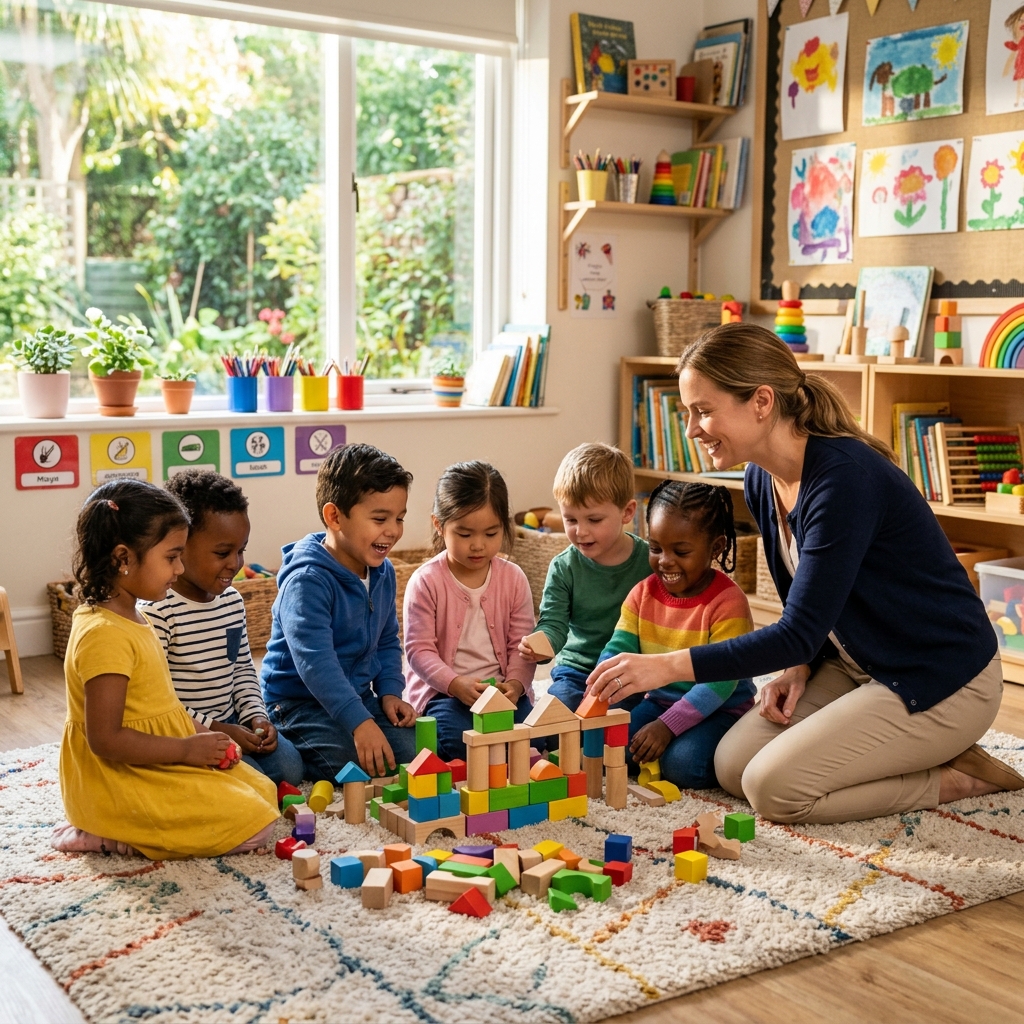
As children enter the preschool years, their social world expands beautifully. They transition from parallel play to cooperative play, meaning they actively engage with other children to build a tower, play pretend, or participate in a simple game. Preschoolers are learning to take turns, share, and express their feelings using words rather than tantrums. They begin to form genuine friendships and understand the basic rules of social interaction, such as listening when someone else is speaking.
The Impact of Early Childhood Education on Social Growth
While a loving home environment is the primary source of a child’s early learning, early childhood education plays a transformative role in accelerating these social skills. Enrolling your child in a high-quality preschool in Katy TX introduces them to a structured yet nurturing setting where socialization is woven seamlessly into the daily curriculum.
In a classroom environment, children are gently guided by experienced educators to navigate complex social situations. They learn how to resolve conflicts peacefully, practice patience while waiting for their turn, and celebrate the achievements of their peers. These group settings also expose children to diverse personalities, teaching them adaptability and inclusivity from a tender age. The benefits of early childhood education extend far beyond kindergarten readiness; it equips children with the emotional intelligence required to thrive in all areas of life.
Practical Tips for Fostering Social Skills at Home
Parents are a child’s first and most important teachers. There are countless everyday opportunities to encourage positive social development outside the classroom.
Model Positive Interactions
Children are keen observers and often mimic the behavior of the adults around them. When you say “please” and “thank you,” handle frustrations calmly, and show kindness to others, your child is absorbing these valuable lessons. Let them see you sharing, taking turns, and expressing empathy in your daily life.
Encourage Playdates and Group Activities
Provide your child with ample opportunities to interact with peers. Whether it is a trip to a local park, a library storytime, or a scheduled playdate, these interactions are crucial practice grounds for social skills. If conflicts arise over a toy, use it as a teachable moment to gently guide them through sharing and expressing their feelings.
Role-Play and Narrate Emotions
Use playtime at home to role-play different social scenarios. You can use stuffed animals or dolls to act out situations like joining a game or comforting a sad friend. Additionally, narrating emotions helps children build a robust emotional vocabulary. Saying things like, “I see you are feeling frustrated because the blocks fell down,” validates their feelings and teaches them how to articulate their own emotions.
Growing Together at Scribbles Academy
Finding the right environment to nurture your child’s social and emotional growth is a top priority for any parent. At Scribbles Academy, we understand that early socialization is the heartbeat of a child’s development. Our curriculum is thoughtfully designed to foster meaningful connections, encourage empathy, and build confidence in children from 6 weeks to 5 years old.
When searching for a dependable daycare in Katy TX, parents need a place that feels like an extension of their own family. Our dedicated educators provide a warm, secure, and engaging atmosphere where every child feels valued. Through guided group activities, imaginative play, and compassionate conflict resolution, we help our little learners navigate their social milestones with joy and resilience.
Every milestone your child reaches is a building block for their future happiness and success, and having a supportive community makes all the difference. By blending a loving home environment with the structured, engaging experiences offered by dedicated educators, you are giving your little one the best possible start in life. We would love to show you firsthand how our classrooms bring these social milestones to life every single day. Reach out to Scribbles Academy today to schedule a tour, meet our passionate team, and discover how we can partner with you on this beautiful journey of early childhood.